
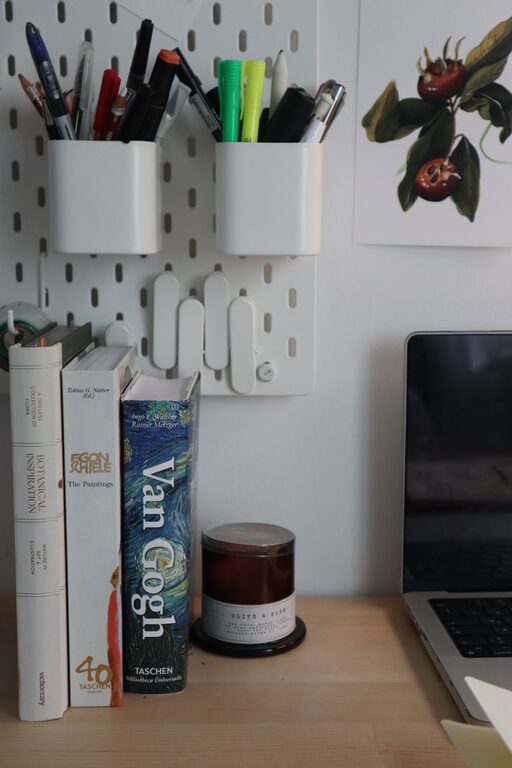
Managing paper clutter is a common challenge in many households. Bills, receipts, mail, school papers, and miscellaneous notes can quickly pile up, making your home feel chaotic and overwhelming. Fortunately, with a few simple habits and strategies, you can reduce paper clutter and keep your space neat and organized. This guide will walk you through practical steps to tackle paper clutter effectively.
Understanding Paper Clutter
Paper clutter isn’t just about messy piles; it can cause stress, waste time searching for important documents, and even lead to missed deadlines or bills. Recognizing the types of papers you accumulate is the first step:
– Important documents: Tax papers, birth certificates, insurance policies
– Bills and statements: Utilities, credit cards, medical bills
– Receipts: For returns, warranties, or expense tracking
– Mail: Junk mail, invitations, flyers
– Kids’ schoolwork: Art projects, homework, notices
– Miscellaneous notes: To-do lists, recipes, coupons
Once you know what your paper clutter consists of, you can tackle each category more effectively.
Step 1: Create a Designated Paper Station
Having a specific spot for all incoming paper helps prevent piles from spreading across the home. This could be a tray, a folder, or a small filing box near your entrance or kitchen counter.
– Use labeled compartments for categories like “To File,” “To Pay,” and “To Read.”
– Check this station daily and process the papers promptly.
Step 2: Embrace Digital Alternatives
Moving to digital versions of bills, statements, and magazines is an excellent way to cut down on physical paper.
– Sign up for electronic billing and payment options with your service providers.
– Use apps to scan and save important documents digitally.
– Subscribe to digital newsletters and cancel unnecessary print subscriptions.
Step 3: Sort and Purge Regularly
Set aside time weekly or monthly to go through your paper collection.
– Sort: Decide what needs to be kept, actioned, or discarded.
– Purge: Shred or recycle papers that are no longer needed, especially anything with personal information.
– Archive: Store important documents in clearly labeled folders or files.
Step 4: Organize Important Documents
Keeping vital papers safe and easy to find is crucial.
– Use a filing cabinet, accordion folder, or binder with labeled sections.
– Separate by categories such as finances, health records, warranties, and legal documents.
– Store long-term papers in a fireproof box if possible.
Step 5: Set Up a Mail Management System
Mail tends to be a significant source of clutter. Create a system to handle it efficiently:
– Sort mail immediately upon receipt.
– Junk mail should be discarded right away.
– Place bills and invitations in their designated folders.
– Consider a basket or tray specifically for mail so your counters remain clear.
Step 6: Limit Paper Coming Into the Home
Reducing the influx of paper is as important as organizing what arrives.
– Opt out of catalogs and junk mail through services like the Direct Marketing Association’s opt-out program.
– Request emailed receipts when shopping.
– Encourage family members to minimize loose papers by using digital reminders and calendars.
Step 7: Use Tools to Stay Organized
Several handy tools can make paper management easier:
– Label makers: For clear identification of files and folders.
– Filing systems: Color-coded folders or binders help categorize documents visually.
– Inbox trays: For holding papers that require immediate attention.
– Desktop organizers: Keep ongoing projects tidy and accessible.
Step 8: Deal with Kids’ Papers Thoughtfully
Children’s artwork and school papers can quickly become overwhelming.
– Regularly review with your child what to keep and what to recycle.
– Photograph or scan art projects before discarding.
– Use a designated box or binder for memorable school papers.
Step 9: Make It a Family Routine
Keeping paper clutter under control works best when the entire household participates.
– Establish simple rules for handling paper.
– Encourage everyone to use the paper station and mail system.
– Schedule regular “declutter days” to maintain order.
Benefits of Reducing Paper Clutter
Taking control of paper clutter brings several advantages:
– A cleaner, more inviting home environment.
– Less time wasted searching for important documents.
– Reduced stress and improved focus.
– Decreased risk of missing bills or deadlines.
– Easier preparation for tax season and other paperwork.
—
By adopting these straightforward strategies, you can significantly reduce paper clutter in your home. It may take some effort to change habits initially, but the long-term payoff is a calmer, more organized space that supports better daily living. Remember, the key is consistency and making small adjustments that fit your lifestyle. Start today with one or two of these tips, and gradually build your way toward a clutter-free home.